

Key Takeaways
- The best small business websites are not the most expensive. They sound like the people behind them, show the practical details and make the next step obvious.
- A distinctive voice and a true founding story are ideas any small business can borrow, whatever its budget.
- Opening hours, addresses, prices and menus belong near the top of the page, not hidden three clicks away.
- Help people choose with guides, simple categories and recommendations written in your customers' words.
- Honesty is a brand asset. Being clear about delivery times, cookies or a change of name builds trust.
Most lists of website examples show global brands with large design teams. This one shows 20 real websites from small and independent UK businesses, from a bike shop in Brixton to a jeans factory in west Wales, and the ideas worth borrowing from each.
We have grouped them by idea rather than by industry, because a good idea from a cheese shop can work just as well for an accountant or a plumber. We visited every site on 14 November 2026 and describe only what we saw that day. Websites change, so some details may be different when you look. None of these businesses are our clients.
As you read, think about your own website. Which of these ideas would make the biggest difference to the people who visit it?
Idea 1: A Voice That Sounds Like You
The quickest way to stand out from template websites is to write the way you speak. Our guide to writing brand copy that sounds human explains how.
1. Brixton Cycles, London
This south London bike shop explains that it is a workers' co-operative, owned by the people who fix your bike. Its servicing section promises honest pricing with no upselling, and the tone is direct and local throughout.
2. Cubitts, London
The spectacle maker's rotating banner uses playful lines about frame sizes and eye tests. The humour sits alongside practical tools such as virtual try-on and eye exam booking, so the voice never gets in the way.
3. e5 Bakehouse, London
The homepage tells the bakery's founding story in plain, personal terms, starting with a clay oven in a railway arch. It even thanks the photographers whose pictures appear on the site by name.
4. Hiut Denim, Cardigan
Hiut talks about its factory in Aberteifi and its makers, and offers free repairs for life. The story and the promise work together: the jeans are made to last, and the business stands behind them.
Idea 2: Practical Details Up Front
Visitors often want one simple fact: when you are open, where you are or how much something costs. Put it where they can find it straight away. Our guide to showing prices on your website covers the pricing side.
5. Postcard Teas, London
The shop's opening hours and address sit in a bar at the very top of the page. Below that, teas are organised by type and country, which reflects the shop's focus on where each tea comes from.
6. Padella, London
The homepage shows the day's menu, with the date and every price. Anyone deciding where to eat can see exactly what to expect before they set off.
7. St. JOHN, London
Each restaurant and the wine bar is listed with its full address. The site also explains that the menu is written twice a day, which tells you a lot about the kitchen in a single line.
8. Leach Pottery, St Ives
Notices about limited parking and about contacting the pottery in advance if you have access needs appear at the top of the page. It is a small, thoughtful touch that saves visitors a wasted trip.
Idea 3: A Clear Next Step
Every page should make it obvious what to do next, whether that is booking, buying or getting in touch.
9. The Felin Fach Griffin, near Hay-on-Wye
This dining pub with rooms puts "book a table" and "book a room" at the top of its homepage. Its menu also includes a page about cots and dogs, which answers two questions guests often have before they need to ask.
10. Office S&M, London
This London architecture practice offers separate routes for developers and homeowners, each with a short quote from a named client. Its projects are described in one clear sentence each, so visitors quickly see the kind of work it does.
11. Bread Ahead, London
The bakery's school lists its workshops with a "from" price on each one, plus group bookings and gift vouchers. Visitors can go from interest to booking without needing to ask a question.
12. The Prince Charles Cinema, London
This independent cinema organises its programme in the ways fans think: by format, such as 35mm and 70mm shows, by seasons and events and by special screenings. Membership and cinema hire are easy to find from the main menu.
Idea 4: Help People Choose
When you sell many products or services, guide visitors towards the right one. Simple categories and honest recommendations work better than a long list.
13. The Ginger Pig, London
The butcher lets you shop by cooking style as well as by type of meat, and has a section for what its butchers recommend. That matches the way many customers think: they know what they want to cook, not which cut they need.
14. Daunt Books, London
Alongside the usual categories, Daunt offers books organised by country. It reflects the shop's long link with travel writing and gives visitors a reason to browse that a large online retailer does not.
15. Loop, London
The yarn shop lists its brands from A to Z and offers kits, including a beginner knitting kit. Experienced knitters can go straight to a brand, while newcomers have an easy place to start.
16. Persephone Books, Bath
The publisher and bookseller explains how it chooses its books and shows short quotes from national newspapers. Proof from a respected source and a clear reason for its choices both help a new visitor trust its taste.
Idea 5: Honesty and Regular Customers
Small businesses win on trust and on loyal customers. These sites show how to be open about the details and how to give people a reason to come back.
17. Monmouth Coffee, London
Its cookie notice explains that the site does not use marketing or analytics cookies, so there is nothing to opt in or out of. It also names the farms behind each coffee, which fits a business built on knowing its growers.
18. Neal's Yard Dairy, London
The cheesemonger warns that orders may arrive a little either side of your chosen delivery date, and highlights the cheeses tasting good right now. Setting expectations early is better than apologising later.
19. Edenmoor, Formerly Pipers Farm
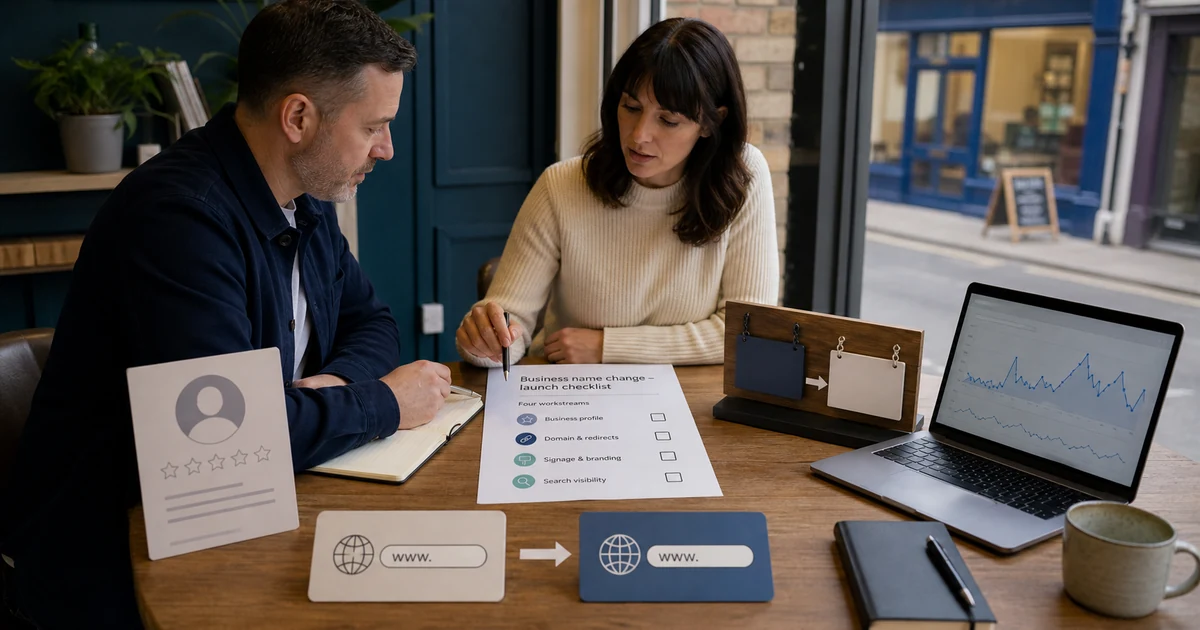
The online butcher formerly known as Pipers Farm welcomes visitors with a clear message about its new name, explaining that the meat and service are the same. A change of name is a risky moment, and saying it plainly helps customers stay. Our guide to changing your business name without losing reviews and rankings covers the practical side.
20. Mr B's Emporium, Bath
This independent bookshop offers reading subscriptions for different tastes and ages, along with staff picks from named members of its team. It gives one-off visitors a reason to become regulars and puts real people at the heart of the shop.
How to Borrow These Ideas
| Idea | Example | How to use it on your site |
|---|---|---|
| A voice that sounds like you | Brixton Cycles | Rewrite your homepage introduction the way you would say it to a customer |
| Practical details up front | Postcard Teas | Put hours, area covered and contact details in the header or near the top |
| A clear next step | The Felin Fach Griffin | Choose one or two main actions and show them on every page |
| Help people choose | The Ginger Pig | Group services by the customer's problem, not your internal names |
| Honesty | Neal's Yard Dairy | State delivery times, lead times or response times plainly |
| Regular customers | Mr B's Emporium | Offer a simple reason to return, such as a service plan or seasonal reminder |
Here is a fictional example. A family-run electrician in Reading has a website that looks like every other template. Inspired by this list, it rewrites its introduction in the owner's own words, puts its service area and response times near the top and adds a "from" price for common jobs. It groups its services by problem, such as "lights keep tripping", and adds a simple annual safety check plan for past customers. The site still has only a handful of pages, but it now sounds like a real business and makes it easy to get in touch.
Don't Forget the Basics
Good ideas sit on top of good basics. Keep your opening hours and details the same on your website and your Google Business Profile, because Google says complete and accurate information helps with local search ranking. If you run a limited company, GOV.UK explains what your website must show, such as your registration number and registered address. This is general guidance, not legal advice.
Real photographs matter too. Our guide to writing a website photography brief will help you get pictures that show your work and your team, and our article on writing an About Us page helps you tell your story.
What This Means for Your Website
You do not need a large budget to borrow these ideas. Start with one: your voice, your practical details or your next step. Our guide to making a small business look premium on any budget has more ideas.
If your brand itself needs work first, our brand strategy and brand identity design services help you define how you look and sound. When you are ready for a new site, a custom website design brings it all together.
If you would like your website to feel as personal as these, tell us about your business. Send us your current site, and we will suggest which of these ideas would suit you best.
Frequently Asked Questions
What makes a good small business website?
A good small business website says clearly what you do, sounds like the people behind it, shows practical details such as hours, area and prices, and makes it easy to book, buy or get in touch.
How many pages does a small business website need?
Enough to answer your customers' main questions. For many businesses that means a homepage, a page for each main service, an About page, a contact page and, where useful, prices and reviews.
Should I copy another business's website?
Borrow ideas, not words or designs. A clear booking button or a plain-English founding story works for anyone. Copying someone else's text or look can confuse customers and may break copyright.
Do I need professional photographs?
Real photographs of your team, premises and work usually build more trust than stock images. They do not need to be expensive, but they should be well lit, current and honest.
How did you choose these examples?
We looked for small and independent UK businesses whose websites each show one clear idea, then visited every site on 14 November 2026 and described only what we saw. None of them are our clients.