
If you have ever searched for logotype examples or wondered what the difference is between a logo and a logotype, you are not alone. The terms get used loosely, and choosing the wrong type for your business is an expensive thing to fix later.
This guide explains what a logotype actually is, walks through the seven types of logo with examples, and gives you a simple way to choose the right one.
Logo vs Logotype vs Logomark
A logo is the umbrella term for any visual mark that represents your brand. Within that, there are two building blocks.
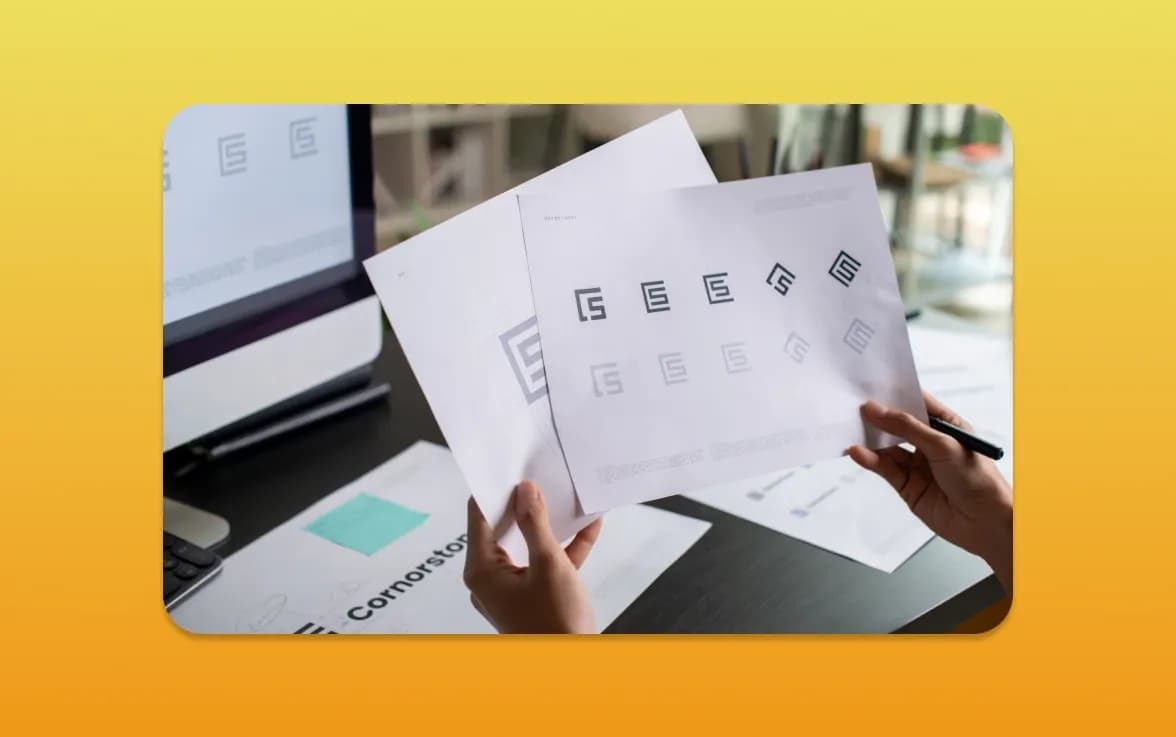
A logotype (also called a wordmark) is your brand name set in a distinctive typeface. Google, Coca-Cola and Visa are logotypes.
A logomark is a symbol or icon with no words. The Apple apple, the Nike swoosh and the old Twitter bird are logomarks.
Most logos are a combination of the two. Understanding the difference helps you brief a designer properly and choose what suits your business.
The 7 Types of Logo (With Examples)
1. Logotype (Wordmark)
The brand name as the logo, set in custom or distinctive type. Works brilliantly when the name is short and memorable. Examples: Google, FedEx, Coca-Cola.
2. Lettermark (Monogram)
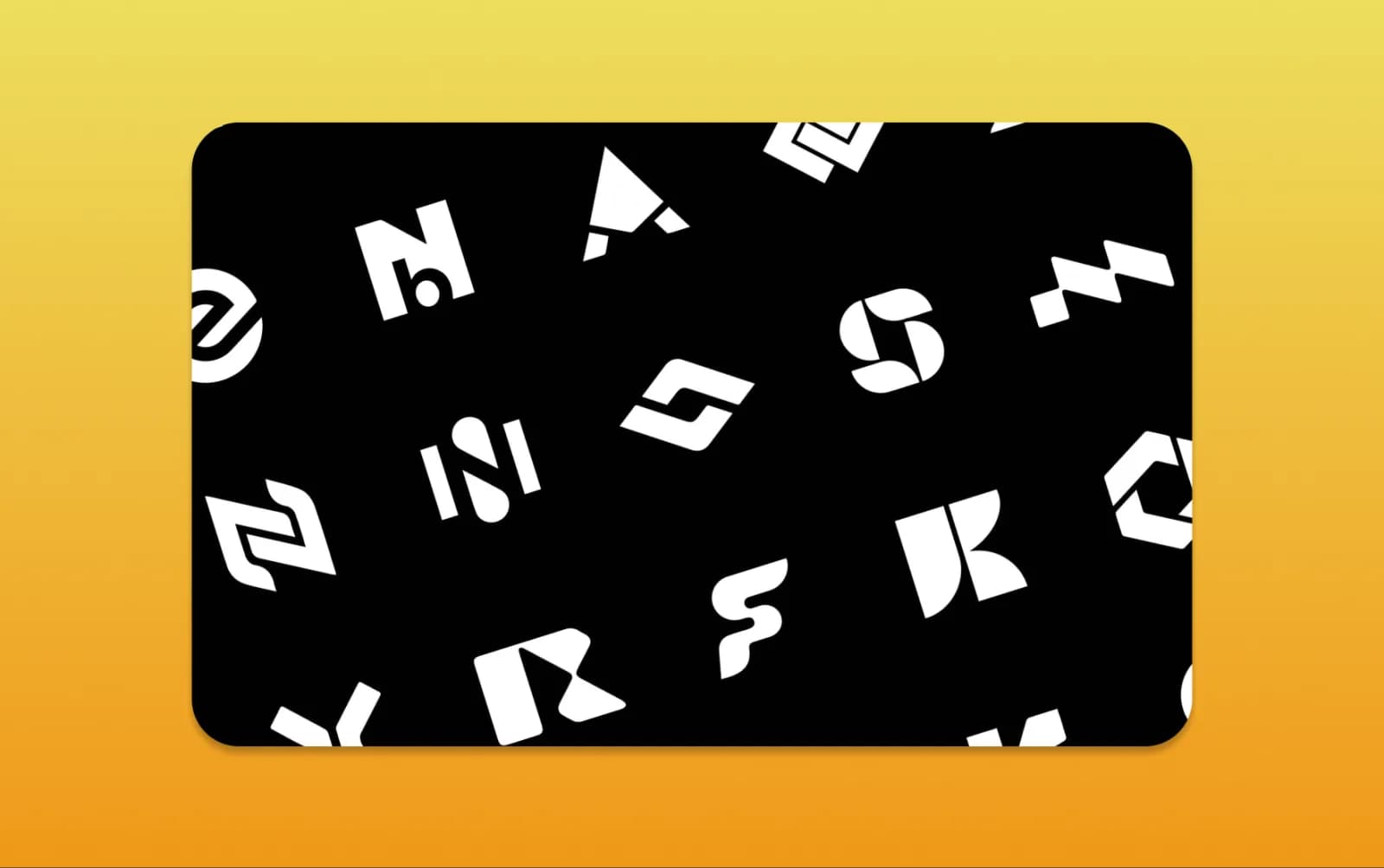
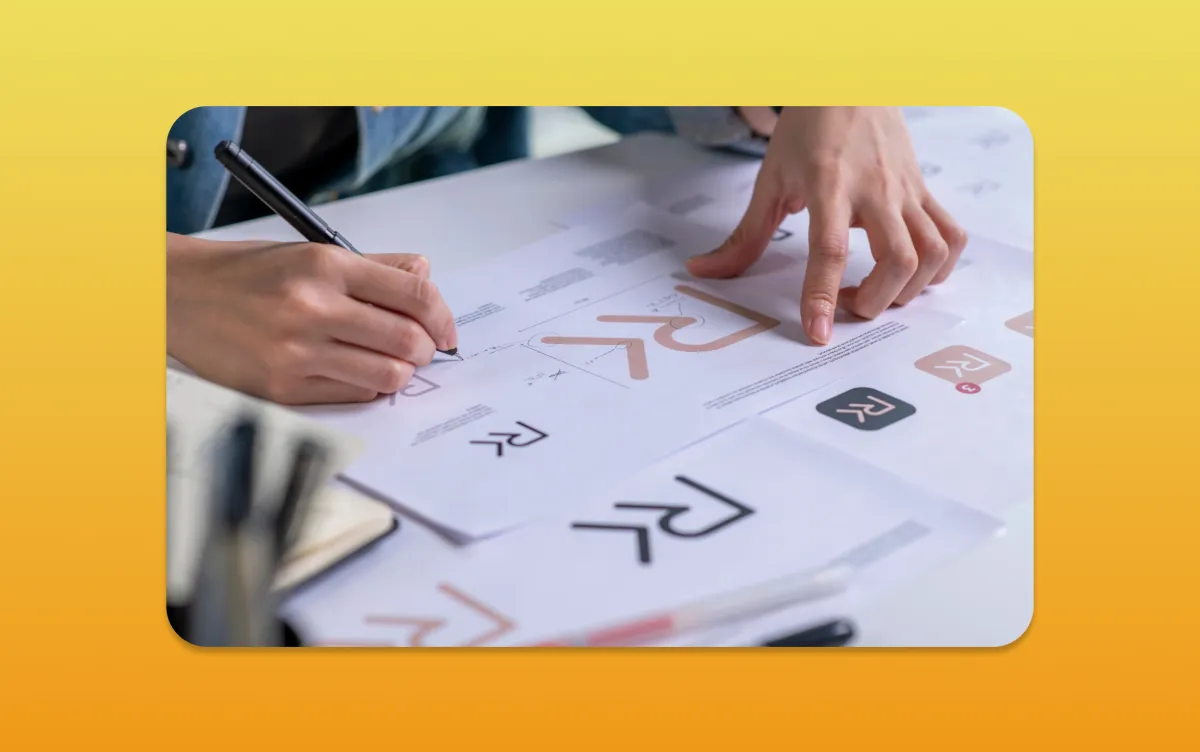
Initials only, used when the full name is long. Examples: HBO, IBM, HP.
3. Pictorial Mark
A recognisable image or icon. Examples: Apple, Shell. Powerful once established, but hard for a new brand to rely on alone.
4. Abstract Mark
A geometric form that represents the brand conceptually. Examples: Nike swoosh, Adidas, Pepsi. Flexible and distinctive.
5. Mascot
A character that represents the brand. Examples: KFC's Colonel, the Michelin Man. Great for friendly, family-facing brands.
6. Combination Mark
A logotype plus a symbol, used together or separately. Examples: Burger King, Lacoste. The most versatile choice for most businesses.
7. Emblem
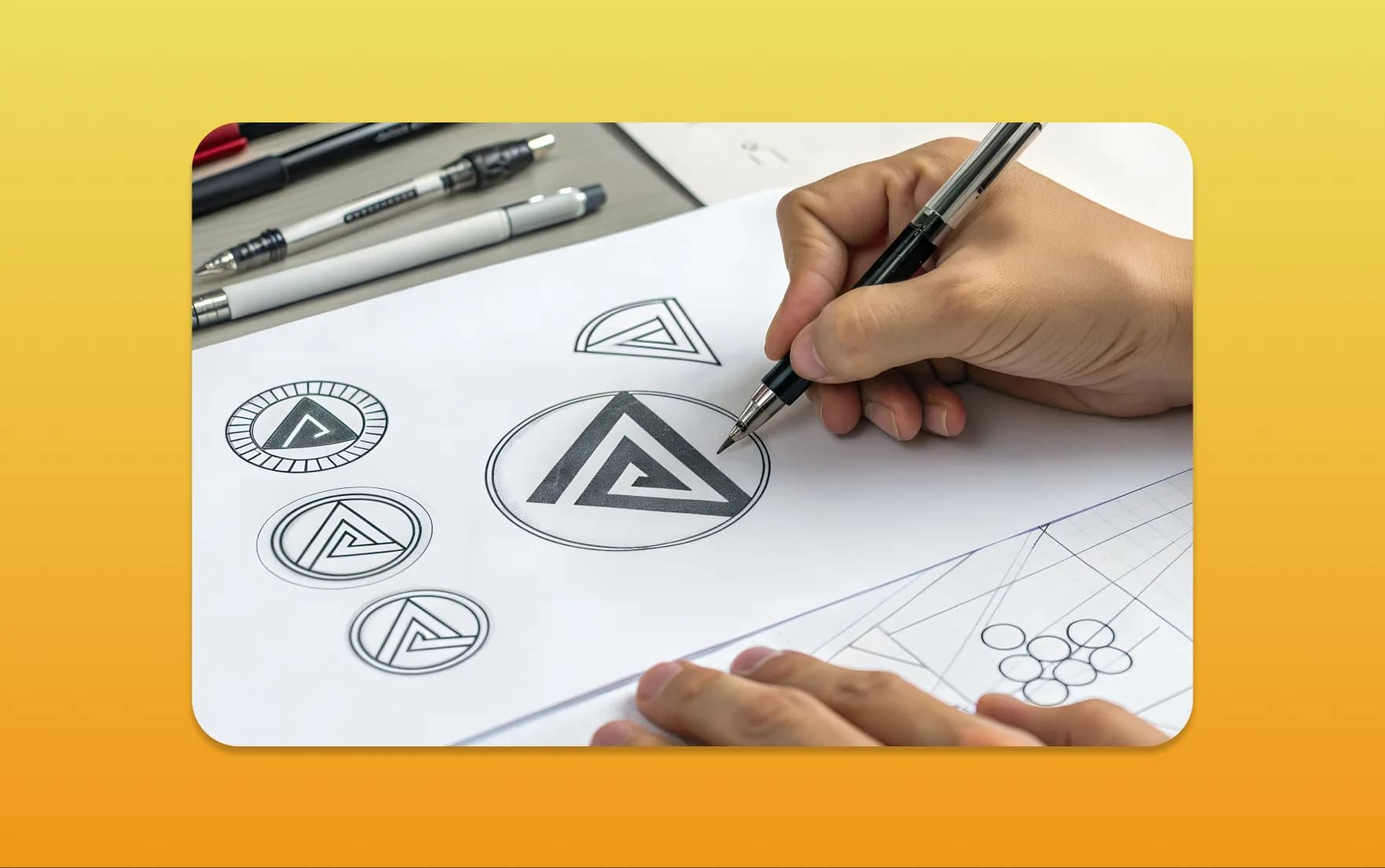
Text inside a symbol, like a badge or seal. Examples: Starbucks, Harley-Davidson, most universities. Traditional and authoritative, but can be fiddly at small sizes.
When a Logotype Is the Right Choice
A pure logotype works best when:
- Your business name is short and distinctive
- You are building name recognition from scratch
- You want a clean, modern, typography-led identity
- You need something that reads clearly at tiny sizes
It works less well when your name is very long, or when you need a compact icon for app icons and social avatars. In those cases, a combination mark gives you a logotype for full use and a symbol for tight spaces.
How to Choose the Right Type for Your Business
Ask yourself four questions:
- How long is your name? Long names suit lettermarks or combination marks. Short names suit logotypes.
- Do you need an icon? App icons, favicons and social avatars need a compact symbol.
- How established are you? New brands should keep the name visible. Pictorial and abstract marks work best once you have recognition.
- What is your personality? Playful brands suit mascots; premium brands suit emblems or clean logotypes; modern brands suit abstract marks.
For most UK small businesses, a combination mark is the safest, most flexible choice. It gives you a wordmark for clarity and a symbol for the moments where space is tight.
Common Logotype Mistakes
- Using a generic font with no customisation. A logotype is more than typing your name in a nice typeface.
- Poor legibility at small sizes. Test your logo at favicon size before signing it off.
- Following trends blindly. Your logo needs to last a decade. See our logo design trends guide.
- No variations. You need primary, secondary, mono and icon versions for real-world use.
- Skipping the brief. A vague brief gives you a vague logo. Our how to brief a designer guide helps.
Frequently Asked Questions
What is the difference between a logo and a logotype? A logo is any brand mark. A logotype is specifically the brand name set as the logo (a wordmark). All logotypes are logos, but not all logos are logotypes.
Is a logotype better than an icon? Neither is better; they serve different purposes. Logotypes build name recognition; icons are compact and flexible. Most brands use both via a combination mark.
How much does a logotype cost in the UK? A freelance logo design runs £300 to £2,000, while a full brand identity from a studio is £2,000 to £10,000 and up. See our branding cost guide.
Can I design my own logotype? You can, but a professional designer gives you proper kerning, custom detailing, scalable file formats and usage variations that DIY tools miss.
The Bottom Line
A logotype is a wordmark, and it is one of seven logo types. For most UK small businesses, a combination mark offers the best balance of clarity and flexibility. Choose based on your name length, your need for an icon, how established you are, and your brand personality.
If you want a logo that works everywhere from a billboard to a favicon, get in touch. We design brand identities, not just logos, as part of our branding and creative services.
Choose the Structure Before Styling It
A short, distinctive company name can often carry a wordmark. A long or difficult name may need a symbol, monogram or responsive family of marks. Businesses that depend on trust should also test how quickly a new customer can connect the symbol with the name; a clever abstract mark is not automatically useful.
Create a context list before choosing: website header, mobile icon, social avatar, proposal, invoice, vehicle, packaging and signage. Score each option for legibility, recognition, differentiation and ease of reproduction. The chosen system can include more than one approved lock-up, but each version needs a defined job. Our logo design service turns that decision into a tested identity system rather than a single isolated file.