
The 7 Biggest Logo Design Trends in 2026: What UK Businesses Need to Know
If you run a UK business, you've probably noticed that logo design feels different lately. The flat, minimalist logos that dominated 2022-2023 are being challenged. Brands are experimenting more. There's personality returning to the space.
I've been designing logos and brand identities for UK businesses for the better part of a decade. What I'm seeing in 2026 is a clear shift away from "safe and boring" toward "distinctive and intentional."
Let me walk you through the seven logo trends I'm genuinely excited about right now — and which ones actually matter for your business.
1. Adaptive & Dynamic Logos
The era of the one-size-fits-all logo is officially over. An adaptive logo transforms based on its environment — different versions for billboards, app icons, website headers, social media, business cards, and packaging.
Real examples: Firefox, Mastercard.
Who it works for: Tech companies, SaaS, e-commerce, any brand with significant digital presence.
Will it stick? Absolutely — driven by practical necessity.
2. Minimalism with Warmth
Still clean and uncluttered, but with warmth. Slightly curved lines, softer colour palettes, a hint of imperfection. "Approachable minimalism" that says: we're modern and professional, but we're not cold.
Real examples: Monzo, Slack.
Who it works for: Financial services, healthcare, SaaS, B2B.
Will it stick? Yes, for as long as brands value emotional connection.
3. Hand-Drawn & Playful Elements
Direct reaction to over-automation and over-perfection. Hand-drawn elements signal authenticity and craft. Still professional — just intentionally imperfect.
Real examples: Mailchimp, Basecamp.
Who it works for: Creative agencies, local businesses, coaches, craft businesses, younger audiences.
Will it stick? 15+ years of relevance says yes.
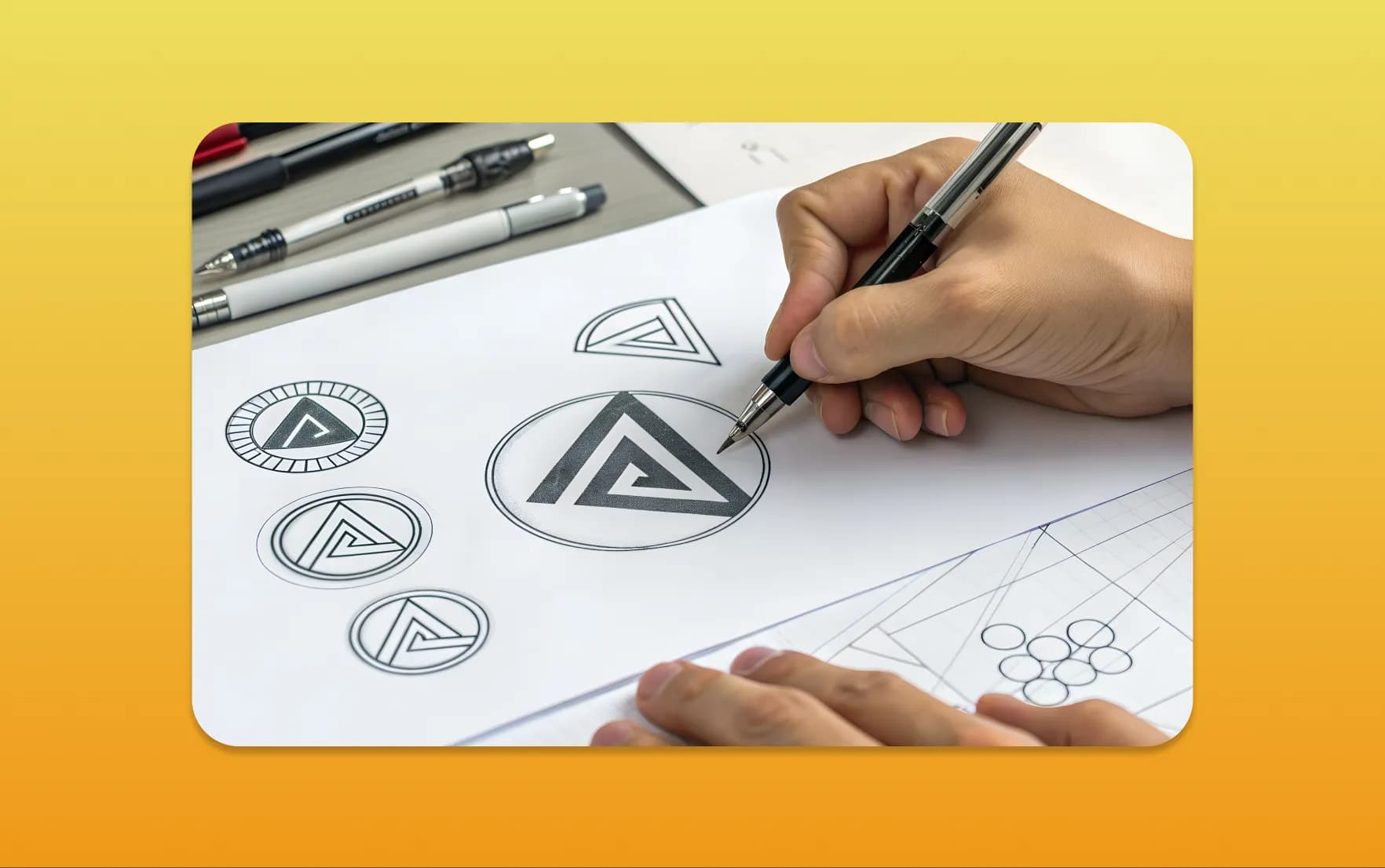
4. Stamp, Seal & Heritage Logos
Circular geometry, Latin-style typography, vintage credibility. Even new brands can communicate trust and longevity. Particularly strong in the UK where consumers respect heritage branding.
Who it works for: Legal services, financial advisory, artisanal goods, heritage venues, law firms.
Will it stick? For premium positioning, absolutely.
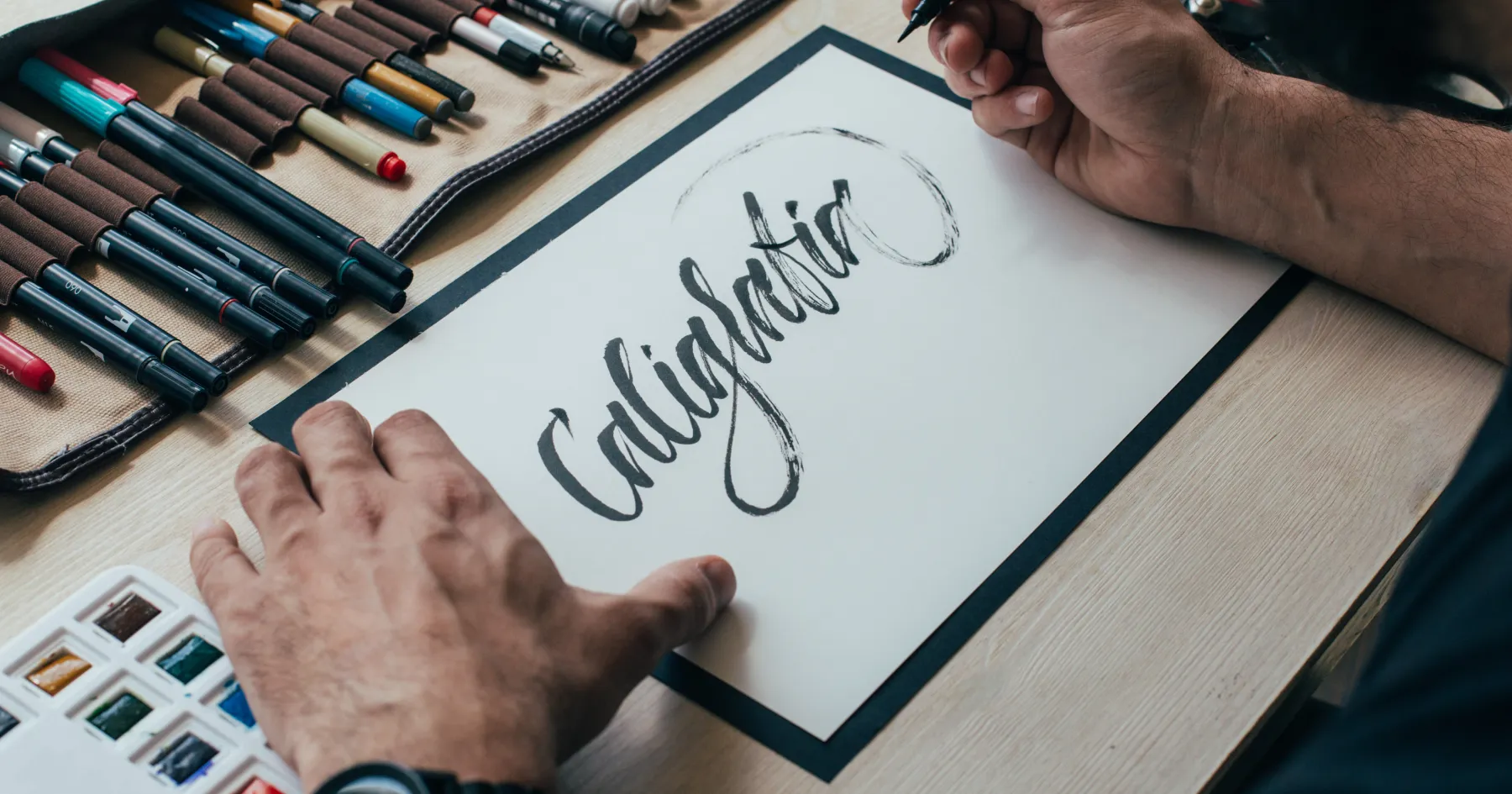
5. Typography-Forward Design
Letterforms are the icon. Custom lettering or intelligent use of typefaces. Elegant, scalable, lasting decades.
Real examples: Spotify, FedEx.
Who it works for: Tech companies, SaaS, digital-first brands, media.
Will it stick? Absolutely — digital-first thinking.
6. Nature-Inspired & Sustainable Design
Organic shapes, earthy palettes (ochres, forest greens, warm browns). Visual shorthand for environmental care. Sophisticated, not gaudy.
Real examples: Patagonia, Who Gives A Crap.
Who it works for: Sustainability-focused brands, food & beverage, renewable energy, ethical fashion.
Will it stick? 5+ years minimum.
7. AI-Assisted Logo Design
Tools like Looka, Canva AI, Midjourney are tempting. Some results are decent. Many are derivative. AI is excellent for generating ideas and direction. It's terrible for generating final, distinctive logos.
Where AI helps: Brainstorming, colour palettes, exploring 100 quick concepts.
Where it fails: Creating something truly distinctive, accounting for scalability, understanding brand strategy.
Which Trends Actually Matter for Your UK Business?
Your choice depends on: your industry, positioning, audience, and permanence goals.
For most UK businesses: Adaptive logos (future-proofs your investment), warm minimalism (almost always good), and typography-forward (essential if digital-first).
Our Branding Services
If you're considering a new logo or full brand identity, we can help:
- Logo design — Distinctive logos that last
- Brand identity — Complete visual identity systems
- Brand strategy — Strategy that drives recognition
- How Much Does Branding Cost? — Our complete UK pricing guide
- How to Rebrand Without Losing Customers — Step-by-step rebrand guide
Frequently Asked Questions
Should I rebrand if my logo is from 2018? Not necessarily — only if it's actively holding you back.
Is minimalism dead? No. Pure cold minimalism is softening, but the principle is permanent.
Can I use an AI generator instead of hiring a designer? For brainstorming yes, for a distinctive final logo no.
How often should I refresh my logo? A distinctive logo can last 20+ years. Generic ones need refreshing every 5-7 years.
How much should I spend? £200 to £10,000+ depending on complexity and budget.
What's the difference between a logo and brand identity? A logo is one symbol. Brand identity is the entire system: logo, typography, colour, imagery, tone, and guidelines.
The best logo isn't the most trendy. It's the most true to your business and most memorable to your customers.
Get in touch to discuss your brand identity project.