

Key Takeaways
- Around 62% of calls to small businesses go unanswered, and most callers never ring back, they call a competitor.
- AI voice agents answer the phone in a natural voice and handle common calls around the clock.
- They are strong for FAQs, bookings, lead capture and out-of-hours cover.
- They are not for sensitive, complex or high-value conversations, which still need a human.
- The smart setup is AI for the routine, with a clean handover to a person for the rest.
Here is a number that should worry any business that relies on the phone: studies suggest around 62% of calls to small businesses go unanswered, and most of those callers never ring back. They simply call a competitor. Every missed call is a potential customer walking out of the door.
AI voice agents are the technology aimed squarely at that problem. They answer the phone in a natural-sounding voice, handle common questions, book appointments and capture lead details, day and night. But they are not right for every call. This guide explains how they work, where they shine, and where you still want a human.
What an AI Voice Agent Actually Is
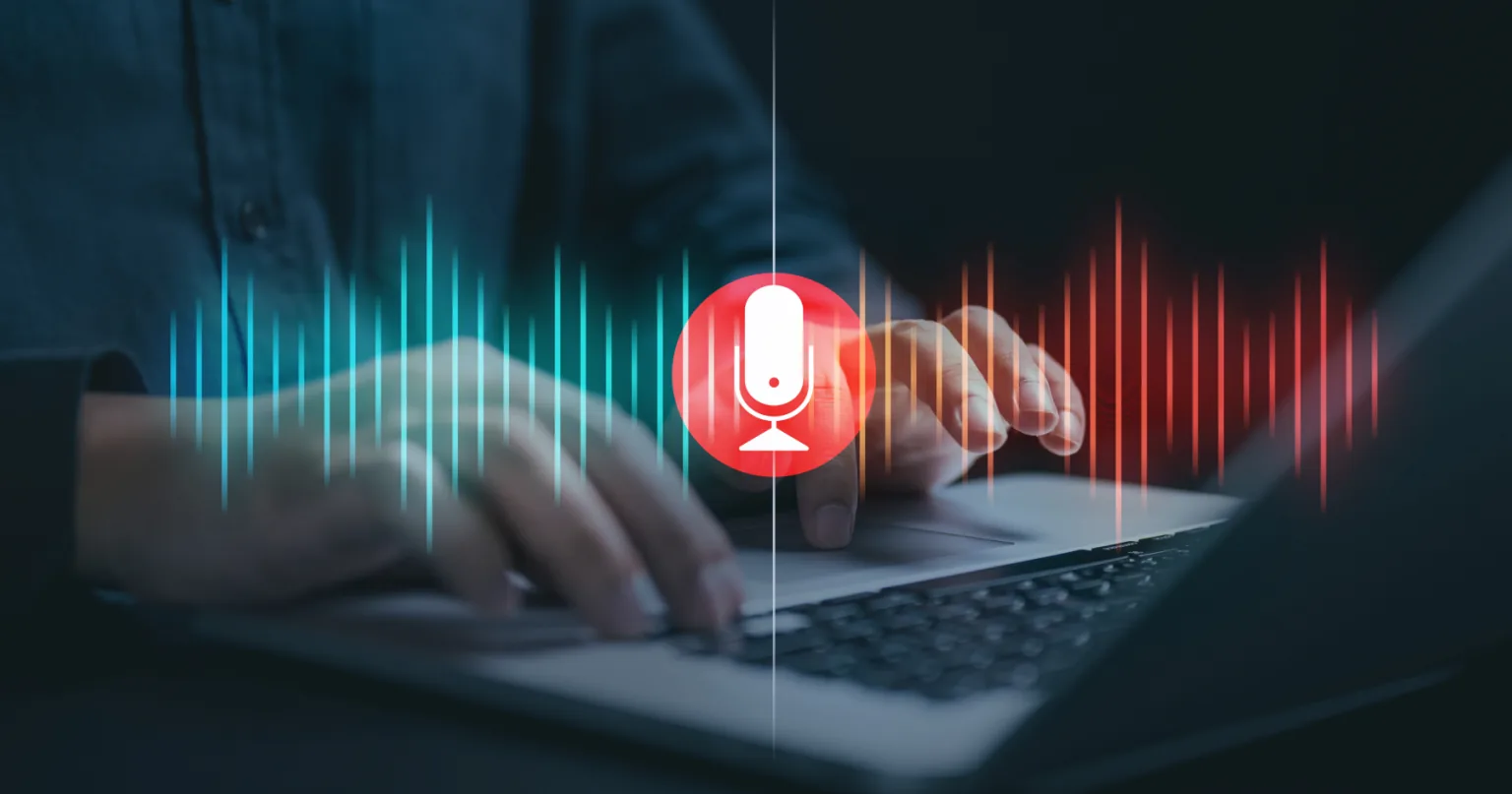
An AI voice agent is software that answers phone calls and holds a natural spoken conversation. Powered by the same kind of AI behind modern chatbots, it understands what callers say, responds in a realistic voice, and can take actions, booking an appointment, answering a question, taking a message, or passing the call to a person. To the caller, it feels like talking to a capable receptionist who never has an off day.
Where AI Voice Agents Shine
They are at their best handling the high-volume, routine calls that clog up a small team:
- Common questions: opening hours, location, services, pricing.
- Appointment booking and rescheduling.
- Lead capture: taking details when you cannot get to the phone.
- Out-of-hours cover: answering calls at night and weekends instead of losing them to voicemail.
- Overflow: picking up when your team is already on the line.
This is the same logic we apply to AI customer service: let AI handle the routine so people can focus on what needs them.
Where They Fall Short
A voice agent is not a person, and some calls need one:
- Sensitive or emotional conversations, like a complaint or a difficult situation.
- Complex, high-value discussions where nuance and judgement matter.
- Anything that needs genuine empathy or off-script problem-solving.
The goal is not to replace your team. It is to stop losing the routine calls, so your people are freed up for the conversations that actually need them.
How to Set One Up Well
A good deployment follows a familiar pattern:
- Start with the routine calls that are easiest and most common.
- Write clear rules for what the agent handles and when it hands over.
- Make the handover clean, so a caller who needs a person reaches one smoothly.
- Protect data, using a reputable, compliant tool, especially for any personal details.
- Measure it: calls answered, bookings made, leads captured, and refine from there.
This mirrors the wider rule of thumb from our guide on what to automate first: start boring, frequent and rules-based.
Frequently Asked Questions
What is an AI voice agent? It is software that answers phone calls and holds a natural spoken conversation. It can answer questions, book appointments, capture leads and hand complex calls to a human, around the clock.
Can an AI voice agent really replace a receptionist? Not entirely. It is excellent for routine, high-volume calls and out-of-hours cover, but sensitive, complex or high-value conversations still need a person. The best setups combine both.
How much business do missed calls cost? A lot. Studies suggest around 62% of calls to small businesses go unanswered, and most callers never ring back, they call a competitor. An AI voice agent is aimed at recovering exactly those lost calls.
Are AI voice agents suitable for small businesses? Yes, especially for businesses that rely on the phone and miss calls during busy periods or after hours. They are now affordable and can pay for themselves quickly by capturing calls you would otherwise lose.
Is it obvious to callers that they are talking to AI? Modern voice agents sound natural, and many callers do not mind for routine queries if they get a fast, helpful answer. Good practice is to be transparent and to hand over to a person smoothly whenever the caller needs one.
The Bottom Line
If your business relies on the phone, missed calls are quietly costing you customers. AI voice agents answer the routine calls around the clock, book appointments and capture leads, while your team handles the conversations that genuinely need a human. Start with the routine calls, make the handover clean, and measure the results.
If you want help deciding whether an AI voice agent fits your business, get in touch. We build AI agents and AI-powered customer service for UK businesses.