
Your logo sits at the centre of your brand identity. It's on your website, your social media, your invoices, your email signature. But if it's static, it's doing half the job it could be. In 2026, where attention spans are measured in fractions of a second and video content dominates every platform, a logo that moves isn't a luxury. It's becoming the baseline expectation for any brand that wants to feel current, professional and alive.
Motion branding isn't about adding gratuitous animation to everything. It's about giving your brand a sense of personality and energy that a flat PNG can't communicate. Think of it as the difference between a photograph and a film clip.
What Is Motion Branding?
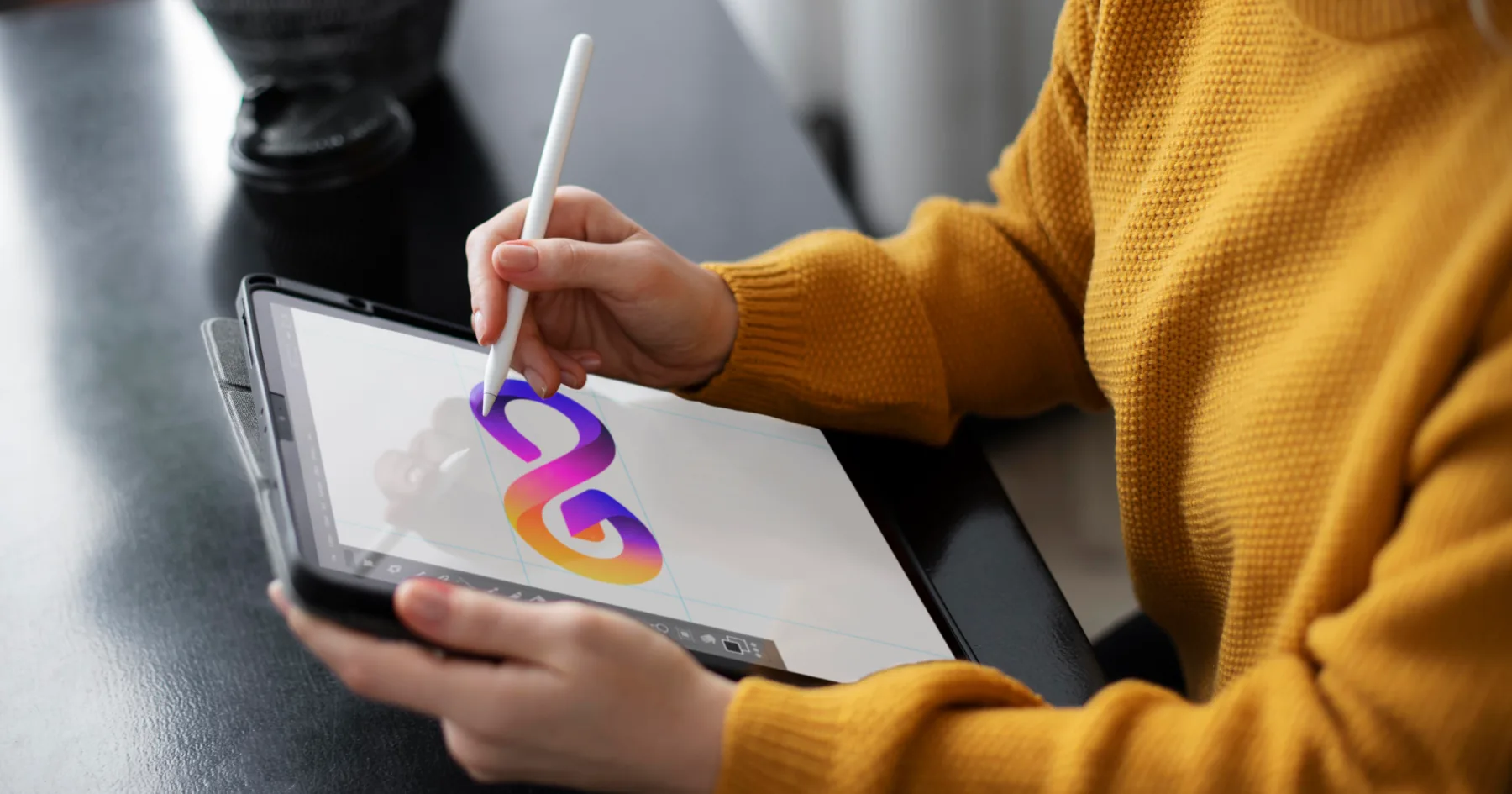
Motion branding extends your visual identity into movement. At its simplest, it's an animated version of your logo. At its most developed, it's a complete motion identity system.
This includes logo animations (motion marks), animated icons and UI elements, social media intros and outros, loading animations, email signature GIFs, and presentation transitions.
The big brands have done this for years. Google's playful letter animations, Slack's expanding grid, Spotify's bouncing sound bars. What's changed is that the tools and costs have come down far enough for SMEs to do it properly too.
Why Static Logos Fall Short in 2026
According to Ofcom's 2025 Online Nation report, UK adults spend an average of 3 hours and 41 minutes online per day, with video accounting for an increasing share. Social platforms prioritise video. Instagram Reels, TikTok, YouTube Shorts and LinkedIn video all reward movement.
In this context, a static logo is invisible. It doesn't catch the eye in a feed. It doesn't create a moment of recognition in a video. It just sits there.
Attention and Recognition
Microsoft's Attention Spans research found average human attention has dropped to around 8 seconds. Movement is one of the most reliable ways to capture attention.
Emotional Connection
Movement communicates personality. A logo that assembles itself with precise transitions feels different from one that bounces playfully. A law firm fading in with quiet confidence vs a children's brand popping with elastic energy.
Platform Requirements
Social media ads perform better with motion. Website hero sections increasingly use subtle animation. Email clients now support animated GIFs. If your brand assets are entirely static, you're leaving performance on the table.
Where to Use Motion Branding
You don't need to animate everything overnight.
Social Media
Where motion branding delivers the fastest return. A 1-2 second logo sting at the start or end of each video builds consistency. Hootsuite's 2025 Social Trends report found branded video content generates 1,200% more shares than text and image combined.
Your Website
Subtle logo animation on load, animated page transitions, motion effects on hover states. The key word is subtle. Framer Motion (which we use extensively at MattDarm) makes it straightforward to add performant animations to React-based sites.
Video Content
Client testimonials, product demos, webinar recordings. A branded intro and outro creates professionalism and consistency.
Presentations and Pitch Decks
Animated brand elements signal polish. Tools like Keynote, PowerPoint and Google Slides all support embedded animations.
Email Signatures
A small animated GIF in your email signature is surprisingly effective. Keep it under 200KB.
Tools and Approaches for UK SMEs
Professional Motion Design
For a bespoke logo animation by a motion designer, expect £500-£3,000 depending on complexity. Recommended for most established businesses.
DIY and Template-Based Tools
- Canva Pro (from £10/month): Basic logo animation templates.
- LottieFiles: Lightweight, vector-based animations. Tiny file sizes, ideal for web.
- After Effects (£22.99/month): Industry standard. Steep learning curve.
- Rive: Newer tool for interactive web animations.
- Jitter: Browser-based, particularly good for social media animations.
What File Formats Do You Need?
- MP4/MOV: Social media, video intros, presentations
- GIF: Email signatures, simple web use (keep small)
- Lottie/JSON: Website animations; incredibly lightweight
- APNG: Better-quality alternative to GIF
- WebM: Web video with smaller file sizes than MP4
A good motion designer will deliver multiple formats so you're covered everywhere.
Principles of Effective Motion Branding
Keep It Short
1-3 seconds maximum for most use cases. Anything longer tests people's patience.
Make the Motion Meaningful
The way your logo moves should reflect your brand. A tech company might use clean, geometric transitions. A creative agency might use organic movement. A children's brand can be playful and bouncy.
Design for Multiple Contexts
Your animation needs to work at different sizes. A logo sting that looks brilliant on desktop might be illegible on mobile. Design with the smallest context in mind first.
Consider Sound (but Don't Depend on It)
Netflix's "ta-dum," Intel's five-note jingle. But most people will see your animated logo without sound. It must work silently.
Maintain Consistency
The same easing curves, timing and style should appear across your website, social content and presentations.
The Business Case
A Renderforest study found branded video content increases brand awareness by 70% and purchase intent by 97%. For UK SMEs competing against larger competitors, a polished motion identity punches well above its weight. A £1,000 investment in a quality logo animation delivers value across every piece of video and digital content for years.
If you're investing in AI-powered tools for marketing, our piece on using AI without damaging brand trust covers how to keep your identity intact as you scale. For businesses running paid campaigns, our UK Google Ads PPC playbook covers how to make every pound work harder.
Getting Started: A Practical Roadmap
- Audit your current touchpoints. Which contexts would benefit most from motion?
- Define your motion personality. Fast or slow? Geometric or organic? Confident or playful?
- Start with one hero animation. Get your primary logo sting right first.
- Extend to social media. Create intro/outro templates for video content.
- Add web animations. Implement subtle motion on your website.
- Document your motion guidelines. Record your animation principles.
Frequently Asked Questions
How much does a professional logo animation cost in the UK? £500-£3,000 from a professional motion designer. Lower for straightforward reveals, higher for comprehensive motion identity systems.
Do I need to redesign my logo to add motion? No. A skilled motion designer can animate your existing logo without changing the design itself.
Won't animated logos slow down my website? Not if implemented correctly. Lottie animations are vector-based JSON files, typically just a few kilobytes. Modern frameworks like Framer Motion are designed for performance.
Which social media platforms benefit most from motion branding? Instagram (Reels and Stories), TikTok, LinkedIn and YouTube. LinkedIn in particular has seen massive video engagement growth through 2025-2026.
Can I create a logo animation myself using free tools? Yes, tools like Jitter and Canva's free tier let you create basic animations. Won't match bespoke work, but a legitimate starting point.
Bring Your Brand to Life
If your logo still sits motionless on every screen, it's time to change that. Get in touch to discuss your branding project, or explore our branding and creative services.