

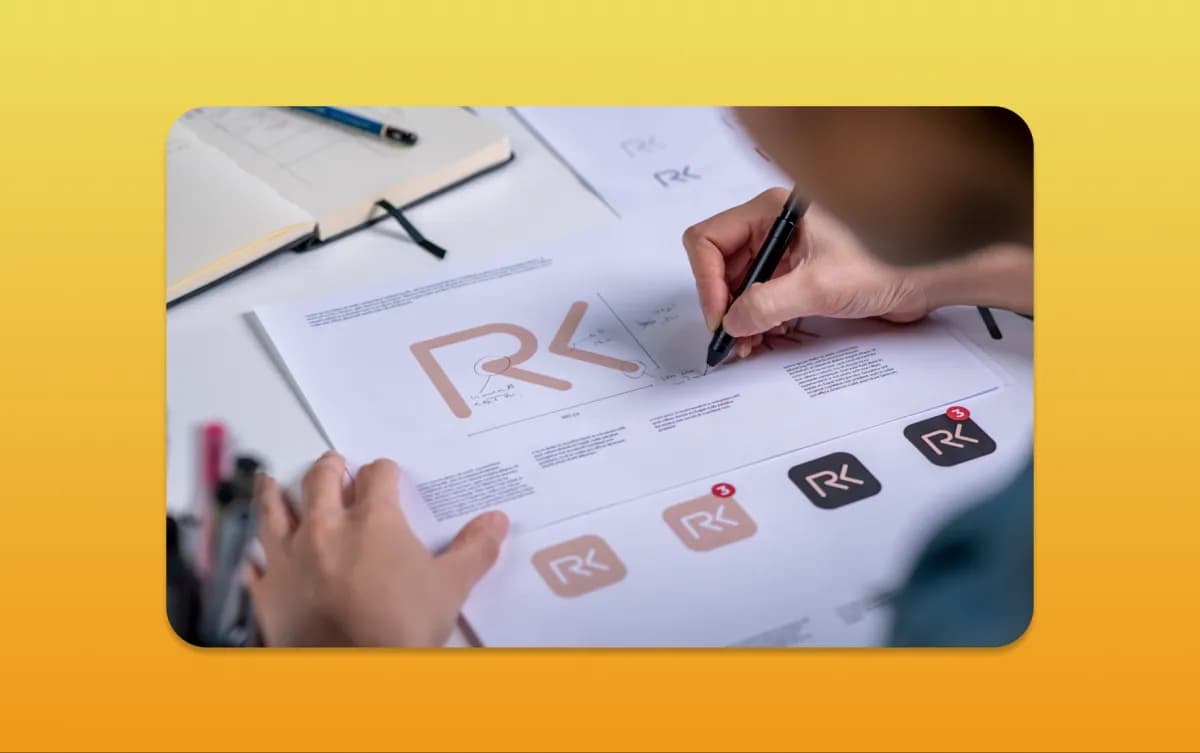
Why Businesses Rebrand
Let's start with the "why." Rebranding isn't something companies do on a whim. It's a strategic decision that usually comes from one of several key drivers.
You're entering a new market or diversifying. Your core business has remained the same, but you've expanded into adjacent services or markets. Your current brand may not accurately reflect the broader scope of what you now offer. A professional services firm that started in accounting but now offers comprehensive financial consulting might rebrand to signal this evolution.
Your business has genuinely evolved. The company you are today isn't the same as the company you were when you started. Your values have shifted, your target audience has changed, or your unique value proposition has become more refined. Your brand should reflect this maturity.
Your visual identity feels outdated. Design trends move quickly. A logo or colour palette that felt contemporary in 2015 might feel dated today. Your brand needs to feel current and professional to compete in your market. Research shows that brands perceived as modern are trusted more, and trust directly impacts purchasing decisions.
You're repositioning in the market. Perhaps you've been a budget option but want to move upmarket, or you've been a premium offering and want to increase accessibility. Your brand needs to signal this positioning shift to your target audience.
You've merged with another company. Two identities becoming one requires a thoughtful approach to create a unified brand that honours both legacy businesses whilst creating something new.
Your brand is holding you back. Your name, visual identity, or brand personality has become associated with something negative, limiting, or irrelevant. A rebrand gives you the opportunity to move forward without this baggage.
Here's what research tells us: companies with strong brand consistency see revenue increases of up to 33 per cent. But here's the catch — that consistency has to feel authentic and current. An outdated brand creates confusion and erodes that consistency.
Signs It's Time to Rebrand
Not every business needs a rebrand. In fact, many businesses rebrand unnecessarily, creating more problems than solutions. Here's how to assess whether a rebrand is actually right for you.
Your Visual Identity Feels Dated
Walk into your physical space. Pull up your website. Look at your social media. Does your visual identity feel like it belongs in 2026, or does it feel like it's from another era? I'm not talking about timeless design — that's good. I'm talking about feeling genuinely outdated.
A good test: show your visual identity to someone outside your industry. Do they make assumptions about your company's size, professionalism, or values based on how it looks? If those assumptions are negative or inaccurate, that's a sign your visual identity needs updating.
Your Business Has Evolved Beyond Your Brand
This is the big one. Your business has fundamentally changed — the way you work, the values you hold, the clients you want to attract. Your current brand no longer represents who you are or what you stand for. Your employees might even struggle to see themselves reflected in the brand they represent.
You're Attracting the Wrong Audience
Your brand's positioning has drifted from your strategic intent. You're getting a lot of inquiries, but they're the wrong type of clients — price-sensitive rather than value-driven, or vice versa. Your brand promise isn't accurately communicating who you really serve. This is a positioning problem that rebranding can solve.
Your Competitors Look More Modern
This deserves a footnote: don't rebrand just because your competitors did. That said, if every other player in your market looks noticeably more sophisticated, current, and professional than you, that's worth addressing. Brand perception is relative.
Your Brand Doesn't Work Digitally
This is increasingly common. A brand strategy built around print and physical touchpoints might not translate well to digital experiences. Logos that work beautifully on a billboard might be illegible at 200 pixels wide. If your brand isn't performing across digital channels, it's time to evolve.
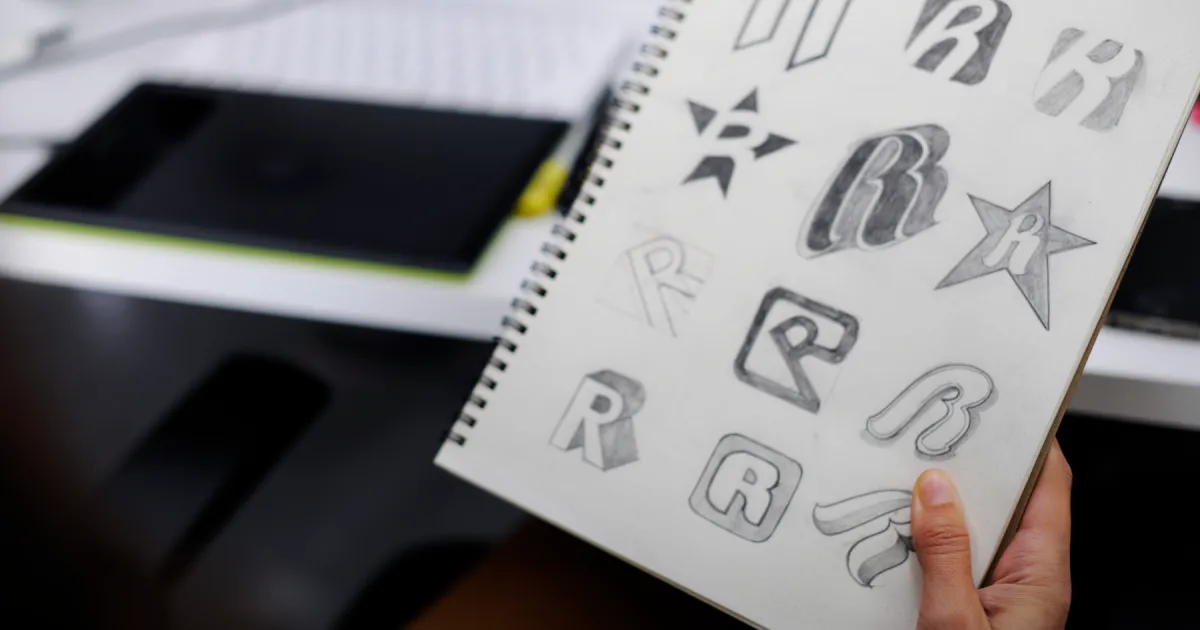
Brand Refresh vs Full Rebrand: Which Do You Actually Need?
This is the crucial fork in the road. Do you need a subtle evolution, or a complete transformation?
A Brand Refresh
A brand refresh keeps the core of your identity intact whilst modernising and refining the expression of that identity. You might evolve your logo, update your colour palette, refine your typography, and refresh your messaging, but the fundamental essence of your brand remains recognisable.
When to choose a refresh: - Your brand is well-established and has positive equity with your audience - You've changed and grown, but not fundamentally - Your brand isn't holding you back — it just needs updating - You want to minimise disruption whilst staying current - Budget is a consideration (refreshes are typically less expensive than full rebrands)
Pros: Lower cost, lower risk, easier transition for existing customers, maintains brand equity Cons: Limited ability to reposition if needed, may not solve deeper brand problems
A Full Rebrand
A full rebrand means starting fresh with a new name, new positioning, new visual identity, and often a new brand story. This is a significant undertaking and should only be considered when a refresh won't address your strategic challenges.
When to choose a full rebrand: - Your current name limits your business expansion - Your brand has negative associations you need to escape - You're fundamentally repositioning in the market - You're merging with another company - Your current brand doesn't align with your future vision - A refresh won't adequately address your challenges
Pros: Complete freedom to reposition, can address negative associations, signals significant change Cons: Higher cost, higher risk, customers may need convincing to come along, loss of existing brand equity
For most established UK businesses, a thoughtful brand refresh is the right choice. It allows you to evolve without alienating your existing customer base, whilst still addressing the modernisation and positioning challenges you're facing.
Step 1: Conduct a Brand Audit
Before you make any changes, you need to understand exactly where you are. A brand audit is your starting point — it tells you what's working, what isn't, and what you absolutely must preserve.
Assess Your Current Brand Equity
Your brand equity is the value of your brand in your market. It's built through years of customer experience, word-of-mouth, reputation, and consistent messaging. This is real value, and you don't want to waste it.
Ask yourself: - What does your brand mean to your customers right now? - What are the emotions associated with your brand? - How recognisable is your brand in your market? - What customer segments have the strongest loyalty to your current brand?
Conduct Customer Perception Research
Don't assume you know how customers perceive your brand. Ask them. This might be through surveys, interviews, or focus groups. You want to understand: - How do customers currently describe your brand? - What does your visual identity communicate to them? - Are there any gaps between your intended brand promise and their perception? - Which elements of your brand are most valued?
Analyse Your Competition
Look at how competing businesses present themselves. What's changed in your market? Are there visual or messaging trends? Where do competitors have advantages in brand perception? This isn't about copying them — it's about understanding the competitive context your rebrand will exist within.
Identify What to Keep
This is critical. Even if you're doing a full rebrand, there are usually elements worth preserving. Maybe it's a brand personality that resonates with customers. Maybe it's a colour that's become synonymous with your company. Maybe it's your company name itself. Identify these elements deliberately — they'll anchor your rebrand and maintain continuity.
Step 2: Define Your New Brand Strategy
Your brand strategy is the foundation for everything that follows. Without clarity here, your visual identity and messaging will feel disconnected and confused.
This is where many businesses benefit from professional guidance. A strategic approach to branding and creative direction ensures your rebrand addresses real business challenges rather than just updating aesthetics.
Refine Your Mission, Vision, and Values
What's your company's reason for existing beyond making money? What does success look like for your business in five to ten years? What principles guide your decisions? Be honest here. Your brand strategy needs to be authentic — customers can spot insincerity instantly.
Define Your Positioning
How do you want to be perceived relative to competitors? Are you premium or accessible? Innovative or reliable? Warm and personal or professional and corporate? Your positioning answers the fundamental question: "Why should customers choose us over alternatives?"
Clarify Your Target Audience
Who are you actually trying to reach? Be specific. Age range, industry, business size, challenges, values — the clearer you are about your ideal customer, the more targeted and effective your brand strategy becomes.
Develop Your Brand Personality
Think of your brand as a person. What are their characteristics? Are they formal or casual? Serious or playful? Expert or approachable? Your brand personality influences every decision you make about messaging, tone, visual style, and customer experience.
Articulate Your Unique Value Proposition
Why are you different? What can you do that competitors can't? What problem do you solve that matters to your target audience? This needs to be clear, compelling, and truthful.
Step 3: Develop Your Visual Identity
Now you translate your strategy into visual form. This is where your brand becomes tangible — logo, colours, typography, imagery, and the overall aesthetic that represents your business.
Logo Evolution
If you're doing a refresh, your logo probably stays recognisable but gets refined. Maybe you simplify it, make it work better at small sizes, modernise the styling, or sharpen the letterforms. If you're doing a full rebrand, you have complete freedom — but remember, your new logo needs to work as well at 16 pixels on a mobile device as it does on your business card or website.
Colour Palette
Choose colours that evoke the right emotional response and work across all your touchpoints. Consider: - How do these colours feel to your target audience? - Do they work well together at different saturation levels? - How do they look in digital environments? - Are there cultural considerations for your market? (UK and international audiences may have different associations)
Typography
Typography is hugely underestimated in branding. Choose typefaces that reflect your brand personality and work well across all media — from large headlines to small body copy, from print to digital. You probably want one typeface for headings and one for body text. Make sure they work well together and that your body text typeface is genuinely readable at small sizes.
Brand Guidelines
Create comprehensive guidelines that show exactly how your visual identity should be used. This includes logo variations, spacing requirements, colour specifications (RGB, CMYK, hex codes), typography rules, imagery style, tone of voice guidelines, and examples of correct and incorrect usage. These guidelines become the bible for everyone representing your brand.
Digital-First Design Considerations
Design for mobile and digital first. Your website, email templates, social media, and digital advertising are often the primary touchpoints for modern customers. Your visual identity needs to shine in these environments. This might mean simplifying some elements or adjusting proportions to work at smaller sizes.
Step 4: Plan Your Transition
This is where many rebrands go wrong. They plan the unveiling but don't plan the transition. You need a detailed rollout strategy that manages the shift for your existing customers and employees.
Launch Internally First
Your team needs to understand and believe in the new brand before customers see it. Conduct internal workshops, provide comprehensive training on the new brand strategy and guidelines, and give people time to ask questions and voice concerns. Your employees are your brand ambassadors — if they don't understand or support the rebrand, that scepticism will show to customers.
Create a Phased Rollout Plan
You probably can't change everything overnight. Maybe you update your website first, then social media, then email templates, then print materials as existing stock runs out. You might keep both versions of your branding in parallel for a period. This phased approach reduces disruption and gives people time to adjust.
Develop Your Communication Strategy
How will you explain the rebrand to customers? The best approach is to be genuine and narrative-driven. Explain the "why" — the business evolution that prompted the change, the values that guided the rebrand, the benefits for customers. People are generally accepting of change if they understand the reasoning.
Prepare for "Why Did You Change?"
Some customers will ask this, sometimes with concern. Prepare clear, concise explanations that address the most common concerns. "We're still the same company, providing the same quality service — we've just evolved our visual identity to better represent who we are today." Frame it as positive evolution, not running from the past.
Step 5: Launch and Communicate
The launch is the moment your rebrand becomes public. Make it strategic.
Announce the Rebrand
Choose your announcement channel carefully. Email your existing customer base first — before they discover it elsewhere. Use this opportunity to explain the rebrand and emphasise that your commitment to them hasn't changed. Follow up with social media, press releases if appropriate, and any other channels where your audience pays attention.
Leverage Social Media
Social media is perfect for building excitement and explaining your rebrand story. Share behind-the-scenes content showing the rebrand process, explain the thinking behind design decisions, share customer testimonials, and show the rollout in action. Use this to reinforce that the rebrand is about better serving your customers.
Update All Touchpoints Systematically
Update your website, email signature, social media profiles, business cards, stationery, signage, packaging — everything that represents your brand. Create a checklist and work through it systematically. Missing touchpoints create confusion and undermine the rebrand.
Use Email to Existing Customers
Email is still the most effective direct communication channel with your existing customers. Use it to explain the rebrand in a personal, genuine way. You might even offer a small incentive or exclusive something to existing customers as a thank you for their loyalty during the transition.
Consider Press Coverage
Depending on your industry and the significance of the rebrand, press coverage can amplify the message. A well-crafted press release highlighting the strategic thinking behind the rebrand might interest relevant trade publications.
Measuring Success
How do you know if your rebrand worked? You need metrics.
Track Brand Awareness
Use surveys before and after the rebrand to measure awareness and perception changes. Have customers' perceptions of your brand improved? Do they have a clearer understanding of what you do?
Monitor Customer Retention
This is critical. Did you lose customers during the rebrand? Retention rates during and after the transition tell you whether the rebrand damaged relationships or maintained them. A successful rebrand maintains or improves retention.
Track Sentiment
Monitor social media mentions, review platforms, and customer feedback for sentiment changes. Is the conversation about your rebrand positive, negative, or neutral? Early feedback helps you address concerns quickly.
Measure Business Impact
Track relevant business metrics: website traffic, inquiry volume, conversion rates, average customer value. Has the rebrand positively impacted these? It may take a few months for effects to show, but ultimately the rebrand should drive business growth.
Assess Market Positioning
Has your market positioning improved? Do customers and prospects now perceive you as you intended? This is more qualitative, but crucial for long-term success.
Conclusion: The Right Rebrand Transforms Your Business
A successful rebrand is more than a new logo. It's a deliberate evolution of your business positioning, values, and visual expression. Done strategically, with genuine research and planning, a rebrand can help you attract your ideal customers, maintain loyalty with existing ones, and position your business for future growth.
The key to rebranding without losing customers is simple: be strategic, be genuine, and be clear about why you're changing. Your customers will understand. They might even be excited.
Ready to explore a rebrand for your business? Whether you need a subtle refresh or a complete transformation, the right strategic approach makes all the difference.
Get in touch with our branding team to discuss your rebrand and explore how a thoughtful brand strategy and identity refresh can transform your business. We help UK business owners navigate rebranding successfully, maintaining customer loyalty whilst positioning for growth.